Cape Point and the Cape of Good Hope are two different headlands at the bottom of the Cape Peninsula, a few minutes apart by road inside the Cape of Good Hope section of Table Mountain National Park. The Cape of Good Hope is the low, rocky point at sea level that marks the most south-western point of the African continent. Cape Point is the higher headland just to the east, with the lighthouses, the funicular and the cliff-top views. One entry through the park gate covers both, and most visitors see both on the same day.
Neither of them is the southern tip of Africa. That is Cape Agulhas, a different place altogether, and it is a common mix-up worth clearing up before you plan the day.
What is the difference between Cape Point and the Cape of Good Hope?
The two names are often used as if they were one place, partly because the park section carries the name of one and the car park and lighthouse carry the name of the other. In practice they are two stops on the same visit.
| Cape of Good Hope | Cape Point | |
|---|---|---|
| What it is | A low rocky headland on the Atlantic side | A high headland with sea cliffs more than 200 m above the water |
| What you do there | Stand at the sign, walk on the rocks, look at the sea | Ride the funicular or walk up to the old lighthouse, take in the views |
| Time to allow | About 20 to 40 minutes | About one to two hours |
| Distance between the two | About 6 km by road between the car parks, around 10 minutes |
SANParks manages the gate entry to the Cape of Good Hope section, and the entrance fee is paid at the gate. It is for your own account unless it is itemised on your quote.
Is the Cape of Good Hope the southern tip of Africa?
No. The Cape of Good Hope is the most south-western point of the continent. The southernmost point is Cape Agulhas, about 150 km to the east-south-east as the crow flies, inside Agulhas National Park. Cape Agulhas is generally given as the meeting point of the Atlantic and Indian Oceans.
This matters when you plan. If the southern tip is the point of the trip, Cape Point is the wrong day out. Cape Agulhas is about 225 km from the city centre by road, close to three hours each way outside peak traffic, and a drive of that length is quoted individually rather than as a standard full day.
The name itself has a story worth knowing on the way down. Tradition holds that the Portuguese navigator Bartolomeu Dias, who rounded the cape in 1488, called it the Cape of Storms, and that King John II of Portugal renamed it the Cape of Good Hope because it promised a sea route to the east.
What to see at Cape Point
Cape Point is where most of the time goes. From the car park there are two ways up to the old lighthouse: the Flying Dutchman funicular, or a steady uphill walk. In late October 2026 the funicular was closed for repairs to its track sensors, with a shuttle running in its place, so check its status before you go if anyone in the party would struggle with the walk.
There are two lighthouses, and the reason is a useful one to understand. The original light, first lit in 1860, stood on the highest point of the headland, where low cloud blown up the cliffs often hid it from ships. A new lighthouse was built lower down the cliff, at about 87 m above sea level, and completed in 1919. The old lighthouse still stands at the top, where the main viewpoints are. The newer one is the working light.
Allow for the weather. The viewpoints are exposed, and on a strong south-easter they are windy enough that some people turn back early. A jacket helps even on a warm day in town. Our note on the Cape Doctor explains how the wind changes the order of a peninsula day.
What to see at the Cape of Good Hope
The Cape of Good Hope stop is short and simple. There is the sign marking the point, the rocks running into the sea and the Atlantic in front of you. Many people photograph the sign and move on, which is a reasonable use of the time.
This is also where the baboons are most likely to show interest in a car. The Cape of Good Hope SPCA and the City of Cape Town give the same advice: never feed them, keep food out of sight, and close the windows and lock the doors when baboons are near. Your driver keeps the vehicle closed at both stops, and it is worth leaving food in a bag rather than on your lap when you get out.
Can you see both in one day, and how long does it take?
Yes, and that is the normal plan. The car parks are about 10 minutes apart, so the order depends on the wind, the crowds and where you are coming from. A common pattern is Cape Point first, then the Cape of Good Hope on the way out of the park.
The bigger question is the rest of the day. From the city centre to Cape Point is about 65 km, around 1 hour 10 minutes outside peak traffic, so the return leg alone uses most of the 100 km in a half-day booking. A peninsula day that includes both capes is really a full day: 10 hours and 250 km, which leaves time for Chapman's Peak on the way down and lunch and the penguins on the way back. The Cape Peninsula loop sets out the route stop by stop, and Boulders Beach fits naturally on the False Bay side.
When this day is not worth it
If you have one free afternoon and a party that would rather not spend two and a half hours in a vehicle, Cape Point is a poor fit. A shorter outing to Kalk Bay, Simon's Town and the penguins gives you the False Bay coast without the long run to the end of the peninsula. The same applies on a day of gale-force south-easter, when the cliffs are hard work and the views may be in cloud. Moving the day is usually better than forcing it.
Common questions
Is Cape Point the same as the Cape of Good Hope?
No. They are two separate headlands inside the same section of Table Mountain National Park, about 10 minutes apart by road. The Cape of Good Hope is the low point at sea level with the sign, and Cape Point is the high headland with the lighthouses.
Where do the two oceans meet?
Cape Agulhas, about 150 km to the east-south-east, is generally given as the meeting point of the Atlantic and Indian Oceans. The currents meet in a band that shifts along the coast, so you will hear both places named, but Cape Agulhas is the official answer.
Do we need to walk much?
Not much. The stop at the Cape of Good Hope is beside the car park. At Cape Point the walk to the old lighthouse is steadily uphill, and the funicular covers it when it is running.
Is the park entrance fee included?
No. SANParks charges entry at the gate, and it is for your own account unless it appears on your quote. Driver, fuel and the Chapman's Peak toll are included.
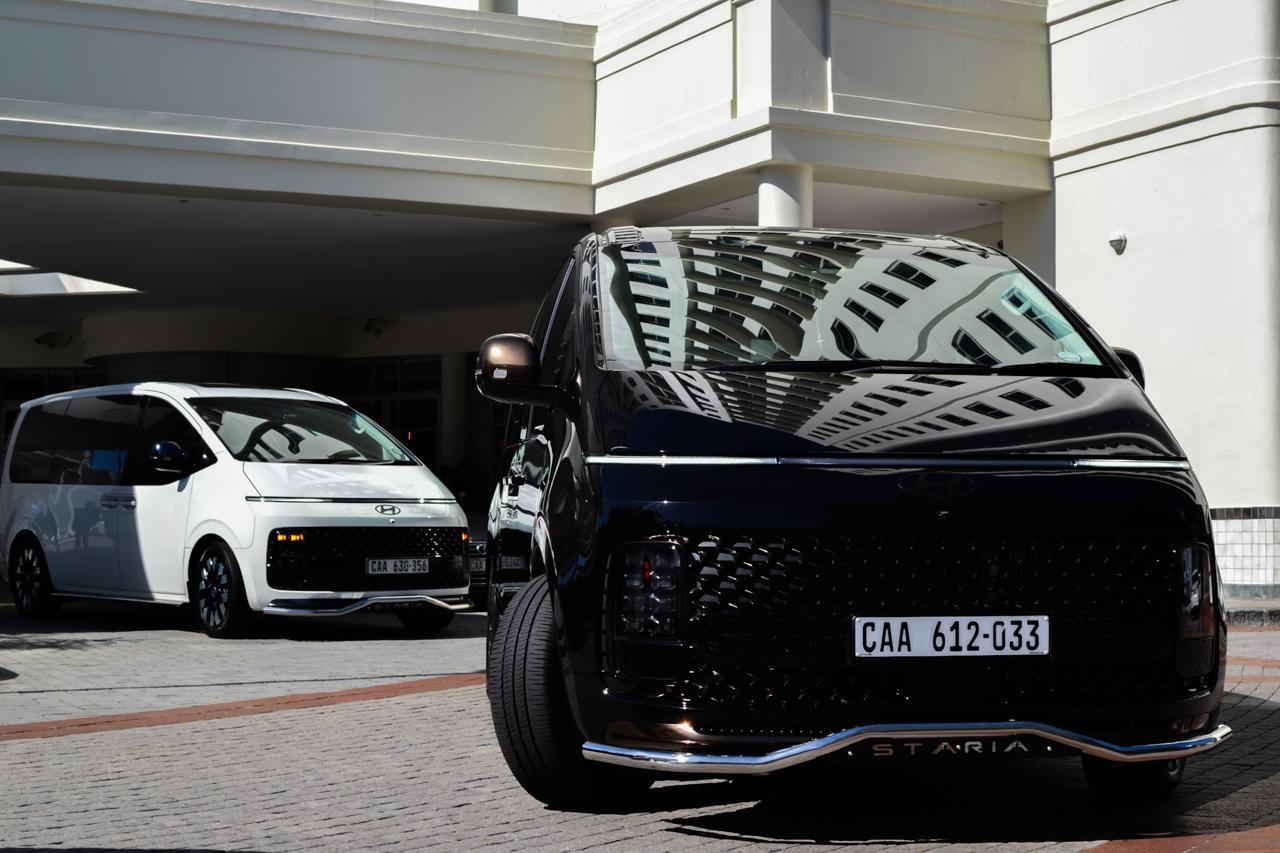
To arrange a Cape Point day, send the concierge your date, the number of people, where you are staying and if you would like a guide. The details of the full day are on the Cape Point tour page, and the concierge replies with a written quote and a booking reference.