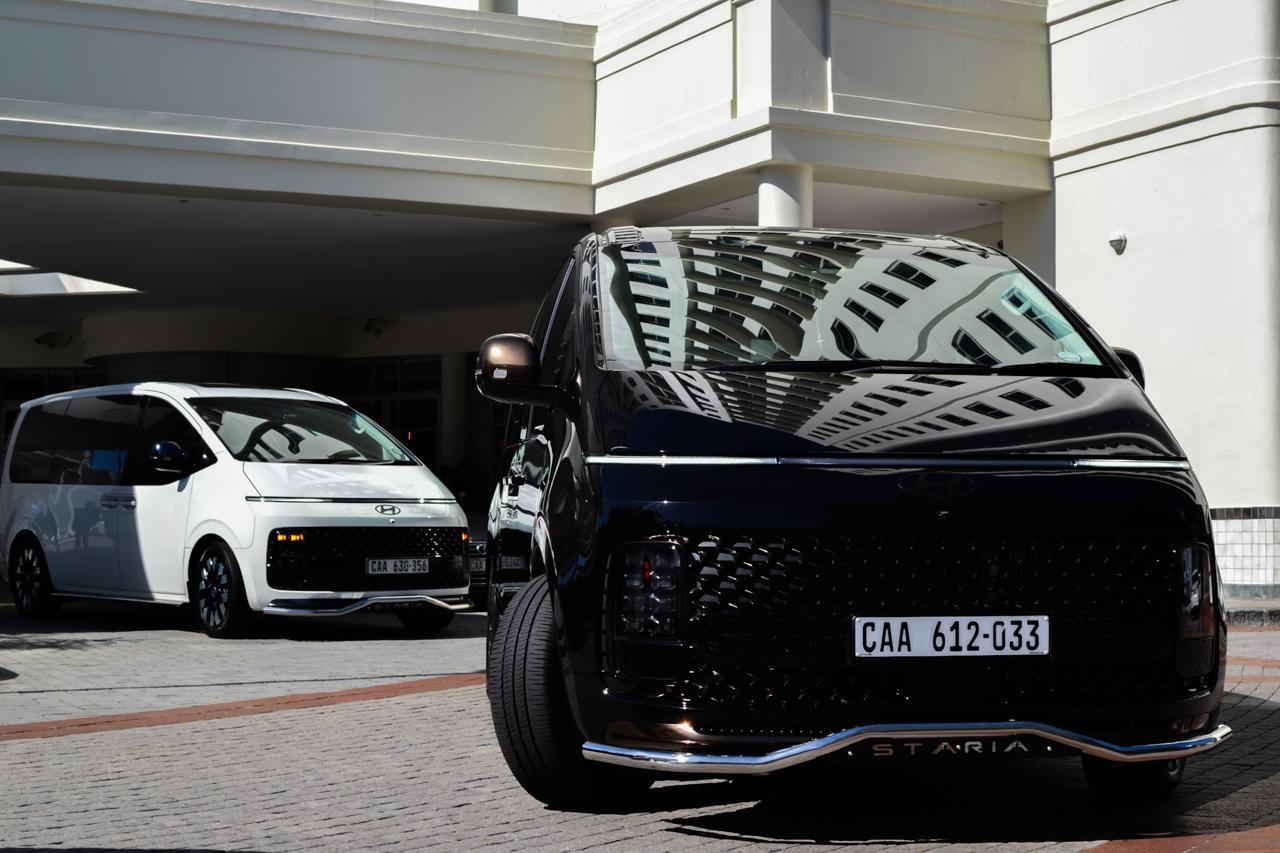
Cape Town Met transport is a short drive with a long day around it. Hollywoodbets Kenilworth Racecourse is in the southern suburbs, about 13 km from the city centre and roughly 15 to 20 minutes outside peak traffic, but race day means crowded approach roads, a long afternoon in the summer heat, and a late finish after a day of drinks. Most people who book a driver for the Met do it for the drive home.
The Met is usually held on the last Saturday of January. The 2026 race was run on 31 January. We could not find a confirmed 2027 date when this was written in October 2026, so check with the organisers before you plan.
When is the Cape Town Met?
The race is traditionally held on a Saturday in late January, and the City of Cape Town has described it as usually falling on the last Saturday of the month. Recent editions have all been in the last week of January. Confirm the 2027 date with Cape Racing before you book flights or tables.
Late January is the heart of the season in Cape Town. January is peak season for visitors, the weather is mostly dry and warm, with temperatures commonly between about 17 and 28 C, and sunset is after 20:00. Hotels and restaurants are at their busiest, which matters if you plan to go on somewhere after the races.
How far is Kenilworth Racecourse from the city?
Approximate distances and drive times outside peak traffic:
| From | Distance | Drive time |
|---|---|---|
| Cape Town city centre | About 13 km | About 15 to 20 minutes |
| V&A Waterfront | About 16 km | About 20 minutes |
| Camps Bay | About 21 km | About 25 minutes |
| Cape Town International | About 17 km | About 20 to 25 minutes |
On race day these times stretch, especially in the late afternoon when much of the crowd leaves at once. The guide to Cape Town traffic and the hours to avoid explains the usual patterns on the main routes.
Why the Met is a day for a driver
Race day is a social occasion as much as a sporting one. Guests dress up, many arrive around midday, and the afternoon runs into the evening. Three things make a driver worth it.
- The drive home. South Africa's legal limit for drivers is 0.05 g of alcohol per 100 ml of blood. After an afternoon at the races, few people should be driving, and the person who volunteered in the morning often regrets it by 18:00.
- Parking and the walk. Parking at a major event is usually some distance from the entrance. In formal shoes and summer heat, a drop-off close to the gate is worth having. Check the organiser's arrangements for drop-off points before the day.
- The heat and the wind. Late January can be hot, and the south-easterly Cape Doctor blows through the summer months, from October to March. A vehicle with chilled water waiting nearby gives guests somewhere to retreat to. The guide to the Cape Doctor explains how the wind affects outdoor plans.
If you are staying nearby and planning to leave early, an e-hailing car may be all you need. A driver earns its place for a group, a late finish, or a day that continues to dinner elsewhere.
Planning the day: drop-off, waiting and collection
Most race day bookings follow the same pattern. The vehicle collects you at the hotel or home, drops you as close to the entrance as the event arrangements allow, and waits nearby. When you are ready to leave, you message the driver on their direct number, which you receive the evening before, and walk to an agreed collection point.
| Plan | Suits |
|---|---|
| Half day, 5 hours inside the metro | Arriving after lunch and leaving straight after the feature race |
| Full day, 10 hours | Arriving early, staying late, and going on to dinner or a party |
| Two transfers | A short visit where the vehicle would otherwise wait most of the day |
If the day runs past the booked hours, extra time is billed per hour at the rate on your quote. The guide to half day or full day bookings helps you choose.
Hosting clients or a group at the races
Companies often host clients at the Met. The transport is part of the hospitality: guests are collected from their hotels, arrive together, and are taken home at the end without anyone having to arrange a ride.
For a group, each Staria carries up to 8 guests and each Palisade up to 6. The full fleet of five moves 36 guests at once, each vehicle with its own driver, on one booking with one named concierge. Groups can split during the day, with one vehicle leaving early for guests who want to, and the rest waiting for the final race. Corporate clients can be invoiced monthly on account by arrangement.
The broader guide to stadium and event transport in Cape Town covers the same principles for rugby, cricket and concerts.
Common questions
Can the driver drop us at the main entrance?
The driver drops you as close as the event's traffic arrangements allow. Drop-off points on race day are set by the organisers, so check them before the day and pass them to the concierge.
What if we decide to stay late?
Tell the driver. The vehicle waits, and time beyond the booked hours is billed per hour at the rate on your quote.
Should we tip the driver?
It is not required. Drivers are among the service providers commonly tipped in South Africa, and a modest amount after a long day is appreciated. The guide on tipping a driver in South Africa has more detail.
Can we be collected from different hotels?
Yes. Give each address and the number of guests at each, and the vehicles are allocated and timed so the group arrives together.
To get a quote, send the race date, the pickup addresses, the number of guests, your planned arrival time and when you expect to leave. The concierge replies with a written quote, and the group transport page explains how groups are moved across several vehicles.