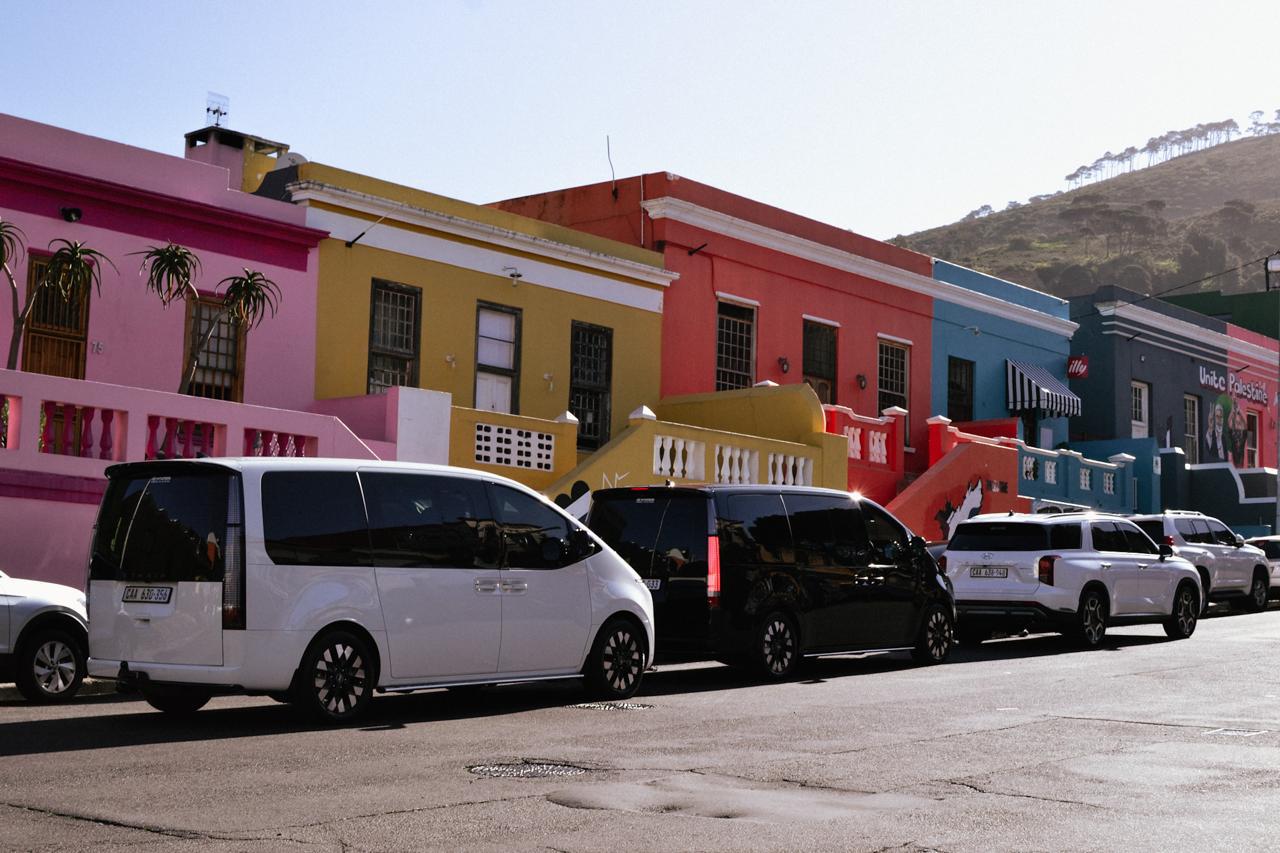
Cape Town traffic peak hours are the weekday morning and late afternoon rushes, with 17:00 on a weekday the most congested hour of the week. The N1 and N2 are the roads that slow most, and they are the ones that connect the city to the airport, the Northern Suburbs and the Winelands. Plan meetings and airport runs so that the long legs fall in the middle of the day, and add a real margin to anything that has to happen between about 16:00 and 18:00.
The rest of this guide gives the figures, the patterns that catch visitors out, and the events that close roads during the year.
What the figures say about Cape Town traffic peak hours
TomTom's Traffic Index for 2025 found that a 10 km trip in Cape Town takes about 26 minutes in the morning rush and about 29 minutes in the evening rush. Weekday 17:00 was the most congested hour.
Ten kilometres in that time is slow. Outside the rush, the same distance on the main routes is usually a matter of minutes. That gap is what wrecks schedules built from a map app checked at lunchtime.
A few practical translations:
| Trip | Outside peak traffic | In the rush |
|---|---|---|
| Cape Town International to the city centre, about 20 km | About 20 to 25 minutes | Allow considerably longer |
| City centre to Stellenbosch, about 55 km | About 45 minutes | Allow extra time on the N2 or N1 |
| Airport to Century City, about 21 km | About 25 minutes | Allow extra time on the N1 |
| City centre to Franschhoek, about 75 km | About an hour | Leave outside the rush where possible |
These off-peak times come from route data and exclude traffic. In the rush, plan on the drive taking a good deal longer and treat any saving as a bonus.
Planning airport runs around the rush
The airport sits on the N2, about 20 km from the city centre. For arrivals, the traffic is not your problem if your driver is tracking the flight. The driver is in the arrivals hall when you land, and the first 60 minutes after actual touchdown are included.
Departures are where the rush costs people. A flight at 19:00 means leaving the city at the worst time of day. Leave earlier than seems necessary. An afternoon at the airport lounge is a better outcome than a queue at check-in with the gate closing. For flights from the Winelands or the Southern Suburbs, add more.
Our guide on what to send your chauffeur before you land covers the arrival details, and delegate airport transfers covers groups.
Building a day of meetings around the traffic
For a day of meetings, the rush shapes the order more than the distances do:
- Start near where you slept. The first meeting of the day should be close to the hotel, so the morning rush is short.
- Cross the city in the middle of the day. Move between the Waterfront, the Southern Suburbs and Century City between about 10:00 and 15:00.
- End near where you are going. The last meeting should be close to the hotel, the airport or the dinner, so you are not crossing the city at 17:00.
- Use the vehicle as an office. With Wi-Fi and privacy glass, a slow leg is time for calls and papers.
A driver on hourly hire takes the stress out of a late change. If a meeting overruns into the rush, the driver adjusts the route and the next meeting is told early. For a full programme, see running an investor roadshow in Cape Town.
Chapman's Peak and the scenic routes
Chapman's Peak Drive, the toll road between Hout Bay and Noordhoek, has its own peaks. Outside the holiday season, its weekday peak periods are 07:00 to 08:00 and 16:30 to 18:00, according to the road's operator. The drive also closes from time to time for high winds, heavy rain, maintenance or rockfall clearing, and the official website shows the live status.
On a Cape Point day, the usual plan is to leave the city mid-morning, after the rush, and return before or after the late-afternoon peak. More on the road itself is in our Chapman's Peak Drive guide.
Events that close roads
Several annual events close roads or change traffic patterns across the city. The dates below are those published by the organisers.
- Cape Town Cycle Tour. A 109 km route around the peninsula, including Chapman's Peak, with full road closures. The next edition is on 14 March 2027. See Cape Town Cycle Tour transport.
- Two Oceans Marathon. The half marathon is on 3 April 2027 and the 56 km ultra, which goes over Chapman's Peak, on 4 April 2027. See Two Oceans Marathon weekend transport.
- Sanlam Cape Town Marathon. Moved to May, with the next race on 22 and 23 May 2027.
- Cape Town Street Parade. Held in early January, tied by tradition to 2 January, with road closures in the city.
- Stadium events. Rugby at DHL Stadium in Green Point and cricket at Newlands change traffic around both areas before and after a match.
Check the organiser's site for the closure map in the week of the event.
Seasons and weather
January is peak season in Cape Town, and the festive season before it brings many visitors onto the roads. Chapman's Peak treats 15 December to 5 January as its peak holiday period. June to August is the low season, but it is also the wettest time of year, with rain on about 10 to 11 days a month, and rain slows every route.
Common questions
When is the worst time to drive in Cape Town?
Weekday late afternoons, with 17:00 the most congested hour according to TomTom's 2025 figures. Weekday mornings are close behind.
How long should I allow from the city to the airport?
About 20 to 25 minutes outside peak traffic. In the late-afternoon rush, allow considerably more, and leave early for an evening flight.
Is the weekend traffic better?
Usually, on the commuter routes. The roads to the beaches, Chapman's Peak and the Winelands can be busy on summer weekends.
Does a driver avoid the traffic?
No driver can remove a rush hour. A local driver knows the alternative routes, plans the order of a day around the peaks and keeps you informed when a leg runs late.
For a day planned around the traffic, send the concierge the date, the addresses and the fixed times. The reply is a written quote with a booking reference. The corporate chauffeur page sets out half day and full day hire.