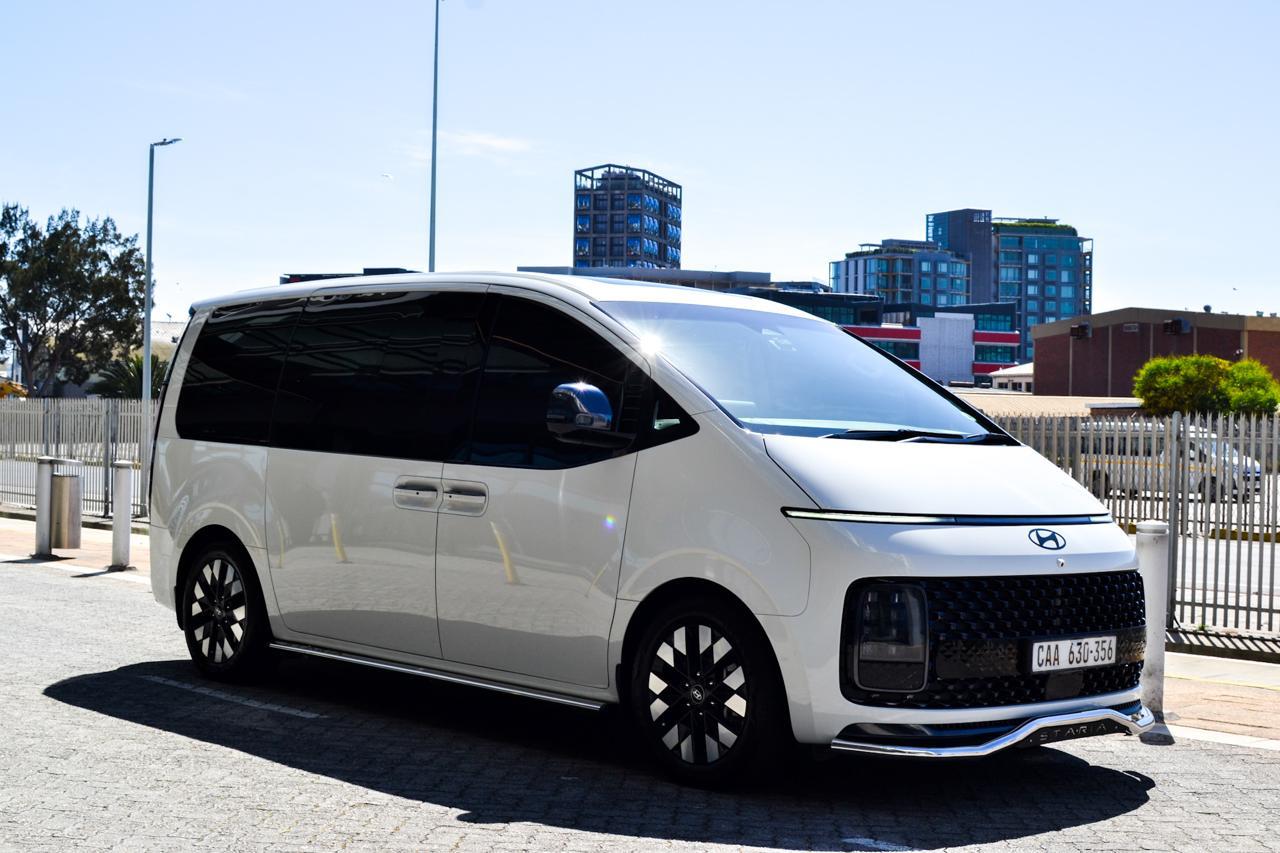
For a company sending staff to Cape Town, corporate travel duty of care on the ground comes down to three things: nobody sources a ride at the kerb, someone always knows where each traveller is, and there is one named person to call when the plan changes. A pre-booked chauffeur with a named driver, flight tracking and a written itinerary covers most of that, and ground transport is the part of a trip where the risk is easiest to control.
This guide sets out where the exposure sits on a Cape Town visit and what a travel manager or executive assistant can reasonably ask of any transport provider.
What duty of care means for ground transport
Duty of care is the obligation an employer carries for people travelling on its behalf. Most travel policies cover flights and hotels in detail and leave the drive between them to the traveller. That gap matters, because the moments when a visitor is most exposed tend to be on the ground: the first hour after landing, the return from a late dinner, a meeting that moves to an address nobody checked.
ISO 31030:2021, the international guidance on travel risk management, treats travel risk as something an organisation plans for, assesses and reviews. You do not need to adopt the standard to use its logic. For ground transport it means deciding in advance who drives your people, how you know they arrived, and what happens when something goes wrong.
The airport arrival is the handover to get right
Cape Town International is well run and most arrivals are uneventful. The exposure is in the handover between the terminal and a vehicle. Airports Company South Africa, which manages the airport, tells passengers not to accept rides from unsolicited taxi or shuttle drivers. In June 2026 a news report warned passengers at the airport about people posing as Uber drivers.
A tired traveller off a long-haul flight, phone on low battery, is the person most likely to accept the wrong offer. A pre-booked driver removes the decision. The traveller walks into the arrivals hall and finds their name on a board. They already have the driver's name, photo and direct number, because those were sent the evening before. There is nothing to negotiate and nobody to choose.
The flight is tracked, so an early or late landing does not leave anyone stranded, and if the airline cancels or diverts, the transfer moves to the new arrival. If your traveller lands after dark, the guide to late-night arrivals at Cape Town International covers what changes.
Knowing where your people are
The practical test of duty of care is simple. If someone in your office were asked where a visiting colleague is right now, could they answer within a few minutes?
With a booked chauffeur, the answer sits in three places:
- The written itinerary. Every pickup, address and time is on the quote under one booking reference, so the plan exists outside the traveller's head.
- The concierge. One named person holds the booking and replies within the hour, every day from 07:00 to 21:00. When a meeting moves, the change goes through them.
- The driver. On multi-day and roadshow bookings, one dedicated driver stays with each vehicle for the whole programme and knows the schedule, the hotel and who should be in the car.
Compare that with a visitor using app-based rides across a three-day programme. Each trip is a different vehicle and driver, and the only record is on the traveller's own phone. That is perfectly workable for a confident traveller on a simple itinerary. It is much harder to account for if something goes wrong.
What to ask any transport provider
Put these questions in writing and keep the answers on file.
| Question | What a sound answer looks like |
|---|---|
| Who will drive, and when do we know? | A named driver, with contact details sent before the trip |
| How is the flight handled? | Tracked by flight number, with the driver waiting in the arrivals hall |
| What if the flight is cancelled or diverted? | The transfer moves to the new arrival and is not treated as a cancellation |
| Who do we call when plans change? | One named contact with stated response hours |
| Is the vehicle shared with other passengers? | The booking is for your party alone |
| Can you show your operating licence and insurance? | Documents in the same company name that appears on the invoice |
The last row is worth insisting on. A provider that cannot show its paperwork in its own trading name is a risk to your traveller and to your company. The guide on checking a chauffeur service before you book goes through this in more detail.
Evenings, weekends and the drive back to the hotel
Most problems for visitors do not happen during the working day. They happen after a client dinner across town, or on a free Saturday when a delegate decides to drive to Cape Point alone in a hired car. The official Cape Town tourism safety advice is plain: do not carry large sums of cash, do not leave belongings unattended, and avoid deserted or dark places at night.
A chauffeur booking can cover the evening as well as the day. On an hourly booking the vehicle waits near the restaurant with its driver, so the return is already arranged and nobody is standing on a pavement at 23:00 watching an app. For a weekend, a half day or full day with a driver turns a solo excursion into a planned one with a known route and a known return time. For guidance to pass on to travellers, see getting around Cape Town safely.
When a chauffeur is more than you need
Not every visitor needs a driver for every trip. A colleague who knows Cape Town, staying at a Foreshore hotel a short walk from the CTICC, with a daylight arrival and no evening commitments, can reasonably use app-based rides. Booking a chauffeur for the whole visit would be cost without a matching benefit.
The cases where it pays are the ones where the downside is real: a first-time visitor, a senior executive, a traveller landing after dark, a group that has to arrive together, or anyone whose day depends on not being late. Many companies settle on a middle position, with a booked transfer for the arrival and departure and an hourly chauffeur for the days with the heaviest programme. The guide to hosting a visiting executive shows how that looks across a typical visit.
Common questions
Which local numbers should be in the traveller's itinerary?
112 from a mobile and 10111 for the South African Police Service, along with the hotel, the transport provider's direct line and the driver's number once it is sent. Put them in the itinerary document itself, not only in an email thread.
Can the office receive the driver's details as well as the traveller?
Yes. The driver's name, photo and number can go to the travel manager or assistant as well as the traveller, so both sides know who is collecting whom.
How is billing handled for several visitors?
Corporate clients can be invoiced monthly on account by arrangement, with each booking carrying its own reference. That gives finance a clear record of who travelled where and when. The guide to how a corporate chauffeur account works explains the set-up.
What happens if a meeting runs late and the driver is waiting?
On an hourly booking the driver waits, and time beyond the booked hours is billed per hour at the rate on the quote. The concierge is told before the extra time runs, so it does not arrive as a surprise on the invoice.
To arrange cover for a visit, send the travellers' names, their flight numbers, the hotel and the programme for each day. The concierge replies with a written quote and a booking reference. The corporate chauffeur page explains how business bookings run.