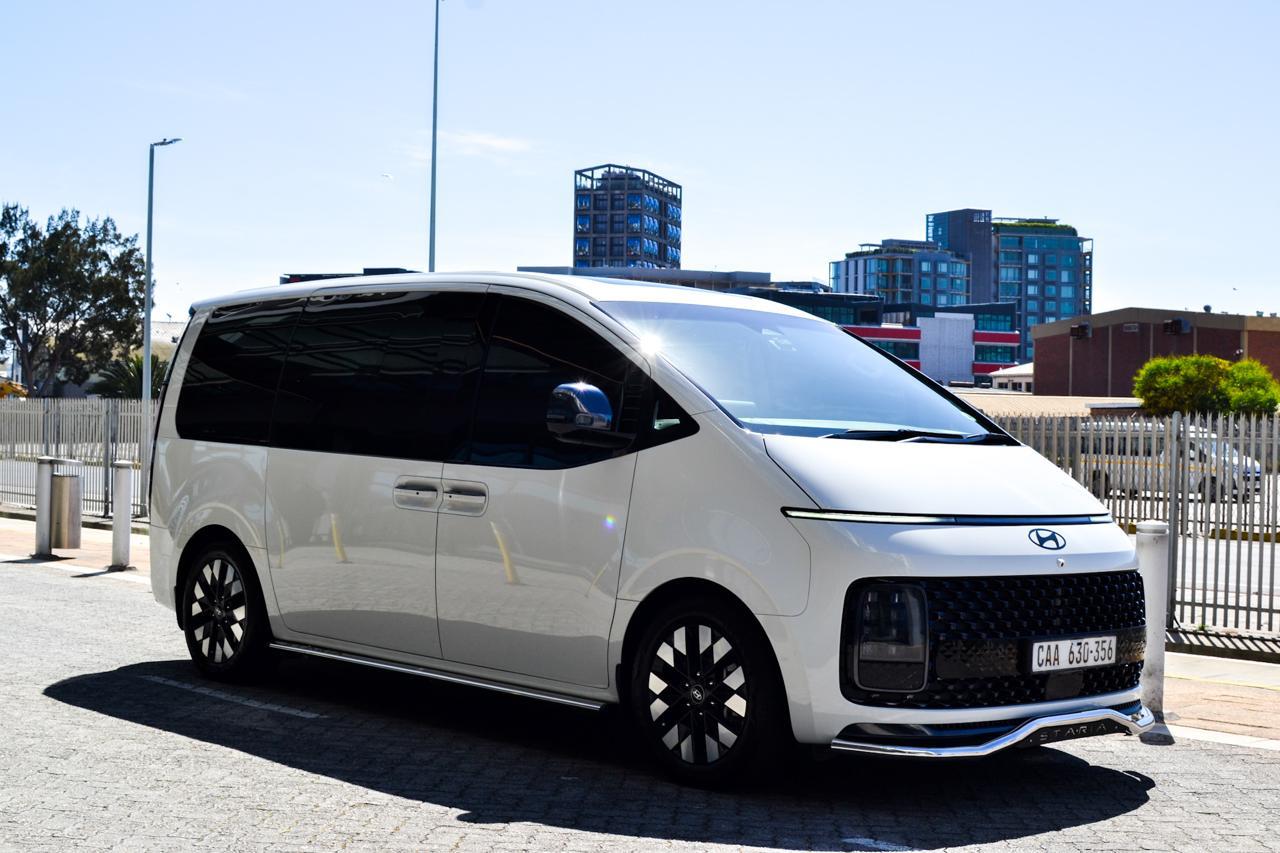
Is Cape Town safe for tourists? Most visitors move around the city without trouble by following a handful of habits: arrange the airport pickup before you fly, use only authorised transport, keep valuables out of sight, avoid deserted or dark places at night and start hikes early enough to be back well before dark. The risk is concentrated in a few predictable moments, the arrival, the late return, the isolated trail, and those are the moments to plan.
This guide covers each of them, with the official advice and what a pre-booked driver changes.
Arriving at Cape Town International safely
The airport is where visitors are most exposed: tired, carrying everything they own for the trip, and unfamiliar with the layout. ACSA, which manages the airport, gives clear advice:
- Do not accept rides from unsolicited taxi or shuttle drivers. Authorised taxis run from the transport kiosks.
- Uber and Bolt are the authorised app-based operators at the airport. E-hailing pickups are in the airport parkades, so follow the directions in your app.
- Request rides only in the app. Uber advises not accepting off-app offers in the terminal. In June 2026 a news report warned passengers at the airport about fake Uber drivers.
With a pre-booked driver, the arrival is settled before you board. The evening before your flight you receive the driver's name, photo and direct number, so you know who to look for. The driver waits in the arrivals hall with a name board, takes the luggage and walks you to the vehicle. Nobody approaches you, and you do not choose a car at the kerb. The guide to landing late at Cape Town International covers night arrivals in detail, and our airport transfers page explains what the transfer includes.
Using e-hailing in Cape Town safely
E-hailing is widely used in Cape Town and is often the right answer for a short trip. A few habits make it safer:
- Request only in the app, never accept a ride offered in person.
- Check the number plate, the car and the driver's photo before you open the door.
- Share the trip with someone.
- Wait inside the restaurant or hotel until the car arrives, not on the pavement.
The comparison with a private transfer is set out in the guide on Uber or a private transfer from the airport. For two people with light luggage going a short distance by day, e-hailing does the job.
Evenings out and the late return
Cape Town Tourism's advice is to avoid deserted or dark places at night. In practice, the evening risk is the walk to the car, the wait on the pavement for a ride and the drive home on unfamiliar roads.
A driver booked for the evening removes most of that. You are dropped at the door of the restaurant, the driver waits nearby, and you are collected at the door when you are ready. For a group, the vehicles leave together and each guest is dropped at the right address. The same applies to concerts, stadium events and GrandWest, where everyone leaves at once and the pavements are crowded.
Cash, phones and belongings
The official safety guidance is straightforward:
- Do not carry large sums of cash. Withdraw what you need for tips and small purchases.
- Never accept help from strangers at ATMs. If someone offers, cancel the transaction and leave.
- Do not leave belongings unattended, on a beach, at a café table or visible in a parked car.
- Keep your phone out of sight on the street, and check directions before you set off.
If you are self-driving, take everything valuable with you when you leave the car, or keep it out of sight before you arrive. With a driver, belongings can stay in the vehicle while the driver stays with it.
Hiking and outdoor days
Table Mountain and the peninsula trails are one of the reasons people come to Cape Town, and they deserve respect. Cape Town Tourism advises hikers to start back well before dark. Add the local weather: Cape Town has microclimates and conditions change quickly, so carry layers, water and a charged phone, and tell someone your route. The Table Mountain Aerial Cableway may close in bad weather, so check its website or app on the day before relying on it for the way down.
A driver can drop you at the start of a trail and collect you at the end, which allows a one-way route and avoids leaving a car at an isolated trailhead.
Practical points for your stay
- Emergency numbers. 112 from a mobile phone, 10111 for the South African Police Service.
- Tap water. Generally safe to drink in Cape Town.
- Power. Eskom reports no national load shedding since May 2025. That is the position at the time of writing, not a promise for the future.
- Disabled passengers. Contact your airline 48 hours ahead for assistance between check-in, the aircraft and the arrival hall.
- Traveller declaration. International travellers must complete the online declaration on the South African Traveller Management System before arrival.
For companies sending staff, the guide on duty of care for visiting staff covers the same ground from the employer's side.
Common questions
Is it safe to take a private transfer at night?
A pre-booked transfer with a named driver removes the parts of a night trip that carry the most risk: choosing a car at the kerb and waiting outside for it. You know the driver's name, photo and number in advance, and the driver collects you from the arrivals hall or the door of the venue.
Is it safe to walk around Cape Town?
By day, the main visitor areas such as the Waterfront and parts of the city centre are busy and widely walked. Follow the usual advice: stay where there are people, keep valuables out of sight and avoid deserted or dark places at night.
Should I drive myself in Cape Town?
Many visitors do, without trouble. Keep belongings out of sight, plan routes before you set off and avoid stopping in isolated places after dark. The guide on chauffeur or self-drive in Cape Town sets out when each makes sense.
What do I do if something goes wrong?
Call 112 from a mobile or 10111 for the police. If you are travelling with a driver, call the driver's direct number as well, since the driver is usually nearby.
To get a quote for an airport transfer, an evening or a day with a driver, send the dates, the number of people and the addresses. The concierge replies with a written quote and a booking reference.