A chauffeur hears everything said aloud in the vehicle. There is no partition. Privacy glass stops people looking in and does nothing about sound reaching the front seat. A confidential chauffeur service therefore rests on two things: a small number of people who know the day, and a driver whose conduct is settled before the first door opens. The client's own habits do the rest, and this guide is plain about which part is whose.
The day in question belongs to a negotiating team of four. They have three sessions with a counterparty, two calls to their principals and a debrief to hold before the evening. The outcome they need is a signed term sheet or a clear reason to walk away. The vehicle is the only room they control all day.
The day, and where the sensitive minutes fall
One Hyundai Palisade Elite on a full day. Four passengers in a six-seat cabin leaves room for document cases on the seats.
| Time | What happens | Sensitive? |
|---|---|---|
| 08:00 | Collect at the hotel | No |
| 08:30 to 10:30 | Session one, offices on the Foreshore | In the building |
| 10:35 to 11:00 | Call to the principals, vehicle parked | Yes |
| 11:00 | Drive to Century City, about 12 km, 15 to 20 minutes | Talk in transit |
| 11:30 to 13:00 | Session two | In the building |
| 13:00 to 14:00 | Lunch, vehicle waits | Documents left aboard |
| 14:10 to 14:35 | Second call, on the move back to town | Yes |
| 15:00 to 16:45 | Session three, city centre | In the building |
| 16:50 to 17:15 | Debrief, vehicle parked | Yes |
| 17:30 | Hotel | No |
Nine and a half hours against a full day's ten. About 35 km against 250. The booking is bought for the hours and for the room. Of those hours, roughly seventy-five minutes are spent saying things in the cabin that the other side would pay to hear.
What discretion means on the driver's side
Stated as conduct, so it can be checked. Hold any driver to this list.
- One driver for the whole day. One person hears the calls. A day run on six separate cars puts six strangers within earshot of six fragments, and fragments are enough.
- The driver stays with the vehicle. That means no waiting in the counterparty's lobby, no chatting to its reception staff and no mention of who is being driven. If someone asks, the answer is that the driver is waiting for a client.
- The driver steps out when asked. For a parked call, "give us twenty minutes" is a normal instruction. The driver stands within sight of the vehicle and comes back on a wave.
- Nothing is repeated. That covers names, places, the mood in the car and the time the team left.
- The name board is whatever you agree. On an airport leg it can show initials or an event name and no company. On a day like this there is no board at all.
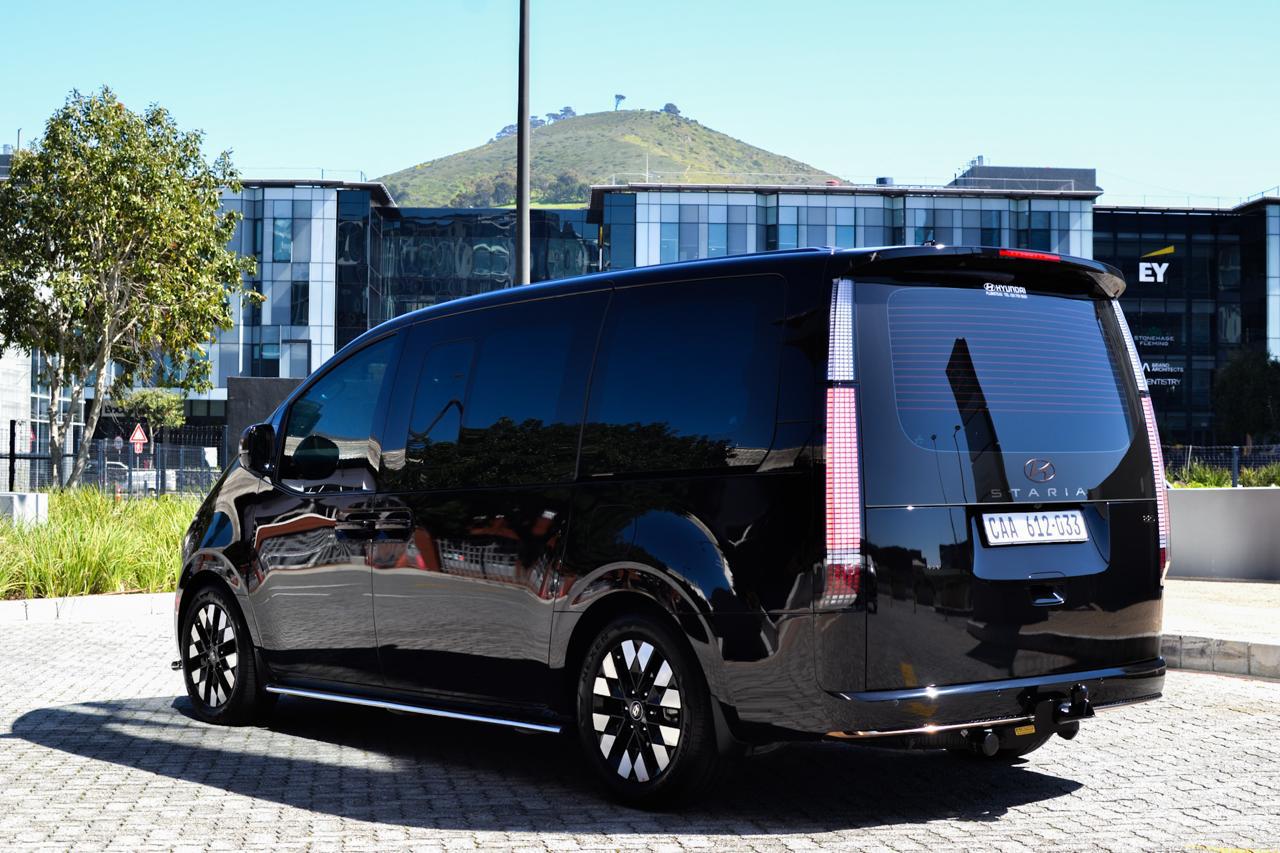
- The vehicle says nothing about the client. Nothing on it names the team or its employer, and the cabin is behind privacy glass.
West Landau sends the driver's name, photo and direct number the evening before, so the team knows exactly who will be in the front seat. Its operating licence, the drivers' professional driving permits and its passenger insurance are shown on request. If your organisation requires anything further, such as a signed confidentiality undertaking or a particular check on the driver, raise it with the concierge when you send the brief. Ask before the day, and expect a direct answer about what can be provided.
What the client still has to do
A careful driver cannot protect a team from itself.
Use earphones for calls, so that half the conversation stays in your head. The 10:35 call in the table takes place parked, with the driver outside, because both sides of it would otherwise be on speaker.
Treat the vehicle's Wi-Fi as you would a hotel network. It is there for convenience. Sensitive traffic goes through your own organisation's secure connection or your own device's hotspot, according to your own security policy.
Agree a short vocabulary. Teams that do this for a living refer to the counterparty and the figure by neutral words in any space they do not own, the vehicle included.
Take the papers that matter with you. Bags and laptops can stay aboard between stops, and the vehicle is locked and attended. The marked-up term sheet goes in your pocket anyway.
Give your itinerary to as few people as possible on your own side. The driver and the concierge know the stops. If your hotel, your office and three assistants also know, the vehicle is not where a leak would start.
Two timelines for the same debrief
At 16:45 session three ends. The team needs twenty-five minutes to agree its position before the lead calls home.
On a day booking they walk forty metres to a vehicle they have used since 08:00, close the doors and talk. At 17:15 they are finished and the drive to the hotel takes fifteen minutes.
On separate cars, there is no car until one is ordered. They hold the debrief in the counterparty's lobby, or on the pavement, or in the back of a stranger's vehicle with the radio on. Most teams choose none of these and wait until the hotel, which puts the call home at 18:00 and gives the other side an evening's head start. Twenty-five minutes of privacy, at the right moment, is what the day rate buys.
Where a vehicle is the wrong room
If the content is classified, or your rules require a room that has been checked, do not hold the conversation in any hired vehicle. Use the mission, your own office or a room your security staff have approved, and use the vehicle to get there.
And if the day is one meeting at one address, a transfer each way is enough. Nobody needs a private room for a ten-minute ride.
Questions to put to any operator
Put them to West Landau too.
- How many drivers will know our itinerary across the booking?
- Where does the driver wait during a meeting, and what is the answer if someone asks who the passenger is?
- Will the driver step out of the vehicle for a parked call?
- What appears on the name board, the vehicle and the invoice description?
- Who inside your business sees the run sheet?
- What can you show us in writing, and what can you not?
An operator who answers the sixth question plainly has told you most of what you need.
Common questions
Can the same driver stay with us for several days?
Yes. A multi-day booking keeps one dedicated driver per vehicle for the whole programme. For a team visiting sites over three days, see due diligence site visits, kept quiet.
Is the vehicle quiet enough for a call?
Yes for a voice call with earphones. For a call that matters, park. The vehicle as a working room covers where to stop and what works.
Does the invoice show where we went?
Tell the concierge how the booking should be described before the quote is issued. The quote and invoice are addressed to whoever is paying.
Send the concierge the date, the hotel, the number in the team and the addresses in order, with a note of how the booking should be named. The written quote and a booking reference come back, and the day rates and vehicles are on the corporate chauffeur page. For checks that apply to any operator, see how to check a chauffeur service before booking.